Building a pole barn can be an exciting venture, whether for personal use, agricultural purposes, or as a commercial investment. However, the cost of constructing these structures can vary significantly depending on various factors, particularly seasonal changes. In this article, we will explore how different seasons can influence the expenses associated with building a pole barn and discuss strategies to manage these costs effectively.
Table of Contents
Understanding Pole Barns- 1.1 What is a Pole Barn? 1.2 Why Choose a Pole Barn?
- 2.1 Seasonal Supply and Demand Fluctuations 2.2 Weather Conditions and Construction Delays 2.3 Material Prices Throughout the Year
- 3.1 Advantages of Spring Construction 3.2 Typical Costs in Spring
- 4.1 Benefits of Building in Summer 4.2 Challenges and Costs in Summer
- 5.1 Pros and Cons of Fall Construction 5.2 Budget Considerations for Fall
- 6.1 The Drawbacks of Winter Building 6.2 Potential Savings During Winter
- 7.1 How Geography Affects Seasonal Pricing 7.2 Regional Variations in Material Availability
- 8.1 Labor Market Dynamics by Season 8.2 Finding Reliable Labor Year-Round
- 9.1 Creating a Timeline for Construction 9.2 Anticipating Material Needs
Adjusting to Weather-Related Challenges
- 10.1 Dealing with Rain Delays 10.2 Snow and Ice Management Strategies
Financing Options and Seasonal Impacts
- 11.1 Understanding Loans for Pole Barn Projects 11.2 How Timing Affects Loan Terms
Conclusion
13-18 FAQs
Understanding Pole Barns
What is a Pole Barn?
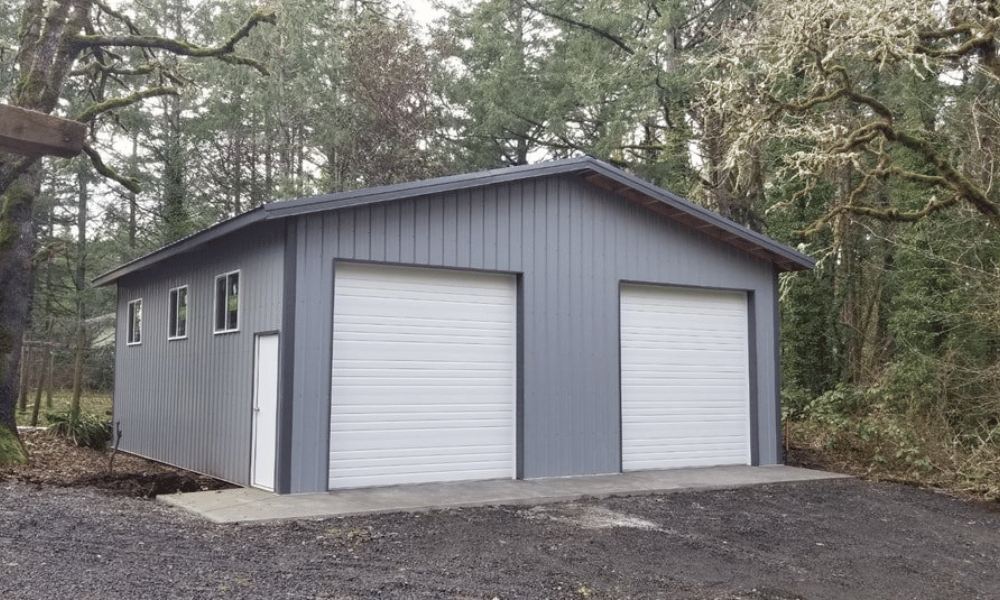
A pole barn is a type of structure built using large poles or posts that act as the primary support system for the roof and walls, rather than relying on traditional framing methods such as studs or beams alone.
Why Choose a Pole Barn?
Pole barns are increasingly popular due to their versatility, cost-effectiveness, and relatively quick construction time compared to conventional buildings.
The Impact of Seasons on Construction Costs
Seasonal Supply and Demand Fluctuations
Building costs are often directly tied to supply and demand Dean Lindsey Construction dynamics in the construction industry.
- During peak seasons like spring and summer when demand surges, material prices may spike. Conversely, during off-seasons, suppliers may lower prices to encourage sales.
Weather Conditions and Construction Delays
Weather plays an integral role in construction timelines:
- Rainy days can halt progress. Snowy conditions require additional planning around heating systems.
Did you know? Weather-related delays can add significant costs due to extended labor hours needed to complete projects.
Material Prices Throughout the Year
Materials like lumber can fluctuate wildly throughout the year:
| Material | Spring Price | Summer Price | Fall Price | Winter Price | |----------|---------------|--------------|------------|--------------| | Lumber | $X per board | $Y per board | $Z per board | $W per board |
Understanding these shifts allows builders to forecast budgets better.
Spring: The Prime Season for Building
Advantages of Spring Construction
Spring marks an optimal time for many builders:
- Favorable weather conditions allow uninterrupted workdays. Suppliers often restock after winter, providing ample materials at competitive prices.
Typical Costs in Spring
While costs may still be elevated due to demand, they typically remain lower than summer peaks:
- Average material costs might stay around $X.
Summer: Peak Construction Season
Benefits of Building in Summer
Summer offers extended daylight hours, which means more productive days for construction teams.
Challenges and Costs in Summer
However, it’s not all sunshine; increased demand means higher prices:
- Labor costs tend to rise as workers are in high demand.
Fall: A Transitional Period for Builders
Pros and Cons of Fall Construction
Fall brings unique challenges but also opportunities:
Pros:
- Cooler temperatures make working conditions pleasant.
Cons:
- As winter approaches, delays may occur due to cold snaps or early snowfalls.
Budget Considerations for Fall
Material availability could lead to price fluctuations:
- Keeping track of local market trends becomes critical during this season.
Winter: The Off-Season Dilemma
The Drawbacks of Winter Building
Winter often deters many builders due to harsh weather conditions:
- Snowstorms can stall progress entirely.
Potential Savings During Winter
However, don’t overlook potential savings!
Materials might be cheaper during this period due to reduced demand:
| Material | Estimated Winter Cost | |----------|-----------------------| | Lumber | $X per board |
custom pole barn solutionsLocal Climate Influences on Cost
How Geography Affects Seasonal Pricing
Different regions have varying climates that impact building materials’ availability:
- Coastal areas may experience mild winters while northern regions see heavy snowfall that affects labor availability.
Regional Variations in Material Availability
Certain materials may be more readily available based on location; therefore it’s crucial to understand local market dynamics before starting your project.
Labor Costs Throughout the Seasons
Labor Market Dynamics by Season
Labor availability fluctuates with seasons — knowing when workers are most available ensures you don’t face staffing issues during peak times.
Finding Reliable Labor Year-Round
Building relationships with contractors who offer flexibility across seasons can help mitigate labor-related surprises!
Planning Your Build Around Seasonal Changes
Creating a Timeline for Construction
A well-thought-out timeline helps account for seasonal variations — allowing you better control over costs!
Tip: Always prepare contingency plans for unexpected weather disruptions!
Anticipating Material Needs
Order materials ahead when possible! This strategy minimizes last-minute price hikes caused by seasonal shortages.
Adjusting to Weather-Related Challenges
Dealing with Rain Delays
Rain isn’t just an inconvenience; it’s a budget buster too! Planning your build around rain forecasts can save you headaches down the line.
Quick tip: Utilize weather apps that provide reliable forecasts tailored specifically for construction needs!
Snow and Ice Management Strategies
When winter hits hard — what do you do?
Investing in snow removal tools or hiring services ensures your project doesn’t stall unexpectedly!
Financing Options and Seasonal Impacts
Understanding Loans for Pole Barn Projects
Securing financing requires strategic timing based on market interest rates influenced by economic cycles corresponding with seasonal trends!
How Timing Affects Loan Terms
Rates might shift dramatically based on when you apply — ensuring your timing aligns with favorable financial conditions is crucial!
FAQs
Q1: What’s the cheapest season to build a pole barn?
A1: Typically, winter offers lower material prices but comes with challenges related to weather conditions affecting timelines.
Q2: Can I save money by building my pole barn myself?
A2: Yes! DIY projects reduce labor costs significantly, but ensure you have adequate skills and tools before diving in!
Q3: How long does it take to build a pole barn?
A3: Depending on size and complexity — expect anywhere from several days up to weeks if working solo versus hiring professionals!
Q4: Are permits required when building a pole barn?
A4: Yes! Always check local regulations since many areas require permits before starting any construction projects.
Q5: What types of materials are best suited for pole barns?
A5: Common choices include wood (for poles), metal (for siding), or concrete (for foundations) based on budget considerations & aesthetics desired!
Q6: How should I prepare my site before building begins?
A6: Clear vegetation & debris from planned area & ensure proper drainage exists — this prep work reduces future maintenance headaches!
Conclusion
In conclusion, understanding how seasonal changes can affect the cost of building a pole barn is essential knowledge that every prospective builder should have at their fingertips! By factoring in everything from material pricing shifts throughout different times of year down through labor availability & climate influences – there’s no doubt that making informed decisions will set you up for success! So plan wisely folks because every dollar counts when constructing your dream space!